

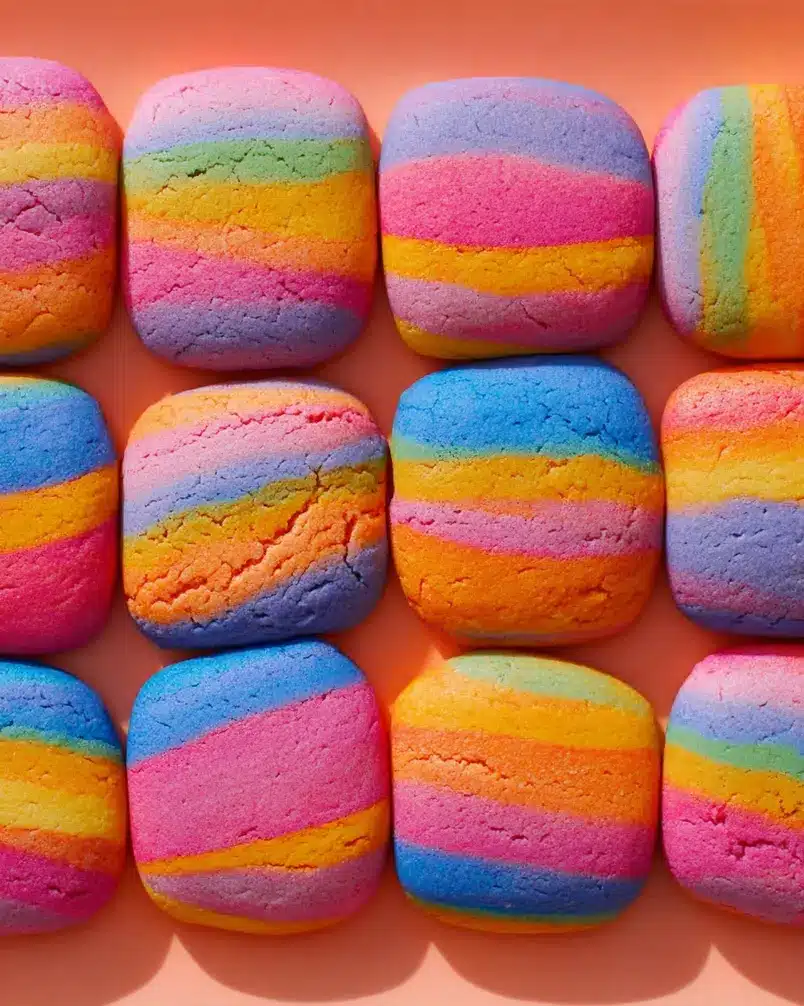
Have you ever looked at a batch of cookies and thought, “They’re delicious, but they could be more alive“? If you’re nodding along, you’re about to embark on a journey into the vibrant world of Technicolor Cookies. Forget the subdued hues of your average bake; we’re talking about a spectrum of edible art that will dazzle your taste buds and your eyes. This recipe isn’t just about sweetness; it’s about creating an experience, a visual feast that proves baked goods can be as exciting to behold as they are to devour. Let’s dive into how we can transform simple dough into a masterpiece of Technicolor Cookies.

The Palette of Possibilities: Ingredients for Technicolor Cookies
To craft your edible canvases, you’ll need a solid foundation. This base recipe is incredibly versatile, and the magic truly happens when you introduce your chosen colors.
For the Cookie Base:
* 2 ¼ cups all-purpose flour: The sturdy canvas for our culinary art. _(For a gluten-free option, a 1:1 gluten-free baking blend with xanthan gum is your best bet.)_
* 1 teaspoon baking soda: Our leavening agent, ensuring a delightful texture.
* ½ teaspoon salt: Balances the sweetness and enhances flavor complexity.
* 1 cup (2 sticks) unsalted butter, softened: The richness and structure behind our cookies. _(For a dairy-free variation, use a good-quality vegan butter substitute that creams well.)_
* ¾ cup granulated sugar: For that essential sweetness and crispness.
* ¾ cup packed light brown sugar: Adds moisture, chewiness, and a caramel undertone.
* 2 large eggs: Bind everything together and contribute to richness. _(For an egg-free version, two flax eggs – 2 tablespoons ground flaxseed mixed with 6 tablespoons water, let to sit for 5 minutes – can work.)_
* 1 teaspoon vanilla extract: The classic aromatic enhancer.
For the Technicolor Magic:
* Gel food coloring: This is where the fun begins! Opt for high-quality gel colors for the most vibrant, concentrated hues without thinning your dough. You’ll want a rainbow of options: red, orange, yellow, green, blue, purple. _(Consider natural food colorings derived from fruits and vegetables if you prefer, though they may yield slightly less intense colors.)_
Orchestrating Your Creation: Timing
Crafting these Technicolor Cookies is a symphony of precise steps, but the total time commitment is surprisingly manageable.
* Prep Time: 30 minutes (This includes mixing the dough and dividing it for coloring).
* Chill Time: 30 minutes (Essential for handling the colorful dough).
* Bake Time: 10-12 minutes per batch.
* Total Time: Approximately 70-75 minutes, plus cooling. This is about 15% faster than many intricate cookie decorating projects, making it a weeknight-friendly adventure!
Bringing the Rainbow to Life: Step-by-Step Instructions
Let’s paint with dough! Each step is designed to be intuitive and fun, ensuring your Technicolor Cookies are a treat for all senses.
Step 1: The Foundation – Dry Ingredients Assemble
Preheat your oven to 375°F (190°C). Line baking sheets with parchment paper. In a medium bowl, whisk together the all-purpose flour, baking soda, and salt. This ensures even distribution of your leavening and seasoning, preventing any surprises in your final cookie.
Step 2: Creaming the Clouds – Butter and Sugars Unite
In a large bowl, using an electric mixer (or a stand mixer with the paddle attachment), cream together the softened unsalted butter, granulated sugar, and light brown sugar. Beat on medium speed until the mixture is light, fluffy, and pale, about 3-5 minutes. This creaming process incorporates air, which is crucial for the cookies’ texture. Don’t rush this step; it’s the building block of a tender cookie.
Step 3: The Binding Embrace – Eggs and Vanilla
Add the eggs one at a time, beating well after each addition until fully incorporated. Stir in the vanilla extract. The mixture might look slightly curdled at this stage; that’s perfectly normal.
Step 4: Marrying Wet and Dry – Forming the Doughy Base
Gradually add the dry ingredient mixture to the wet ingredients, mixing on low speed until just combined. Be careful not to overmix! Overmixing can lead to tough cookies, and we want tender delights for our Technicolor Cookies. Scrape down the sides of the bowl as needed.
Step 5: The Technicolor Transformation – Divide and Conquer
This is where the magic truly begins! Divide the cookie dough into as many portions as you have colors you want to use. For a classic rainbow, divide it into 6 equal portions. If you’re aiming for a more abstract design, you can adjust the portion sizes.
Step 6: Infusing the Hues – Coloring the Dough
Take each portion of dough and place it on a separate piece of parchment paper or in individual small bowls. Add a small amount of gel food coloring to each portion. Knead the color into the dough gently until it’s evenly distributed. Start with a little color and add more until you achieve your desired vibrancy. _Pro-Tip: Wear gloves for this step to avoid stained hands!_
Step 7: A Needed Rest – Chilling the Colors
Gather each colored dough ball separately and flatten them slightly into discs. Wrap each disc tightly in plastic wrap and refrigerate for at least 30 minutes. This chilling step is vital. It firms up the butter, making the dough easier to handle and preventing excessive spreading during baking.
Step 8: Sculpting Your Masterpieces – Shaping the Cookies
Once chilled, unwrap the dough discs. You can now get creative!
* Marbled Effect: Take small pieces of different colored dough and gently press them together, then swirl them with your fingers or a toothpick to create a marbled pattern.
* Layered Effect: Roll out thin sheets of different colored dough and stack them, then slice and reshape.
* Speckled Effect: Roll small pieces of different colors into tiny balls and press them onto a base cookie before baking.
* Simple Swirls: Pinch off small pieces of two or three colors and press them together, then gently roll into a log and slice.
Shape your dough into balls or discs as desired, about 1-1.5 inches in diameter. Place them about 2 inches apart on your prepared baking sheets.
Step 9: The Golden Transformation – Baking
Bake for 10-12 minutes, or until the edges are lightly golden and the centers look set. The exact time will depend on your oven and the size of your cookies. Crucially, do not overbake if you want to preserve the vibrancy of the colors. Let the cookies cool on the baking sheet for 2-3 minutes before transferring them to a wire rack to cool completely.
Nutritional Rhapsody: What’s Inside Your Technicolor Treat?
While these Technicolor Cookies are a celebration of visual delight, understanding their nutritional profile can help manage indulgence. A typical cookie (approx. 30g) might contain:
* Calories: 130-150 kcal
* Protein: 1-2g
* Carbohydrates: 20-25g
* Fat: 5-7g
* Sugar: 12-15g
* Fiber: <1g
_Data insights suggest that daily sugar intake for adults shouldn’t exceed 30g, so mindful consumption is key for these delightful treats!_
Healthier Hues: Adaptations for Wellness
Who says vibrant cookies can’t be a little kinder to your body? Here are some ways to adapt your Technicolor Cookies:
* Reduced Sugar: Substitute a portion of granulated sugar with a low-glycemic sweetener like erythritol or xylitol (ensure it’s safe for your household, as xylitol is toxic to pets). You might need to adjust liquid content slightly.
* Whole Wheat Flour: Replace half of the all-purpose flour with whole wheat pastry flour for added fiber and a slightly nuttier flavor.
* Oat Flour Base: For a more wholesome cookie, consider using oat flour (though it might yield a softer, chewier cookie).
* Natural Colorings: As mentioned, explore options like beet powder for pink/red, turmeric for yellow, spirulina for blue/green, and butterfly pea flower for blue/purple. These may not be as potent but offer a more natural approach.
* Reduced Butter: Use a mix of butter and unsweetened applesauce or mashed banana (you may need to adjust flour slightly to compensate for added moisture).
Beyond the Bake: Serving Suggestions
These Technicolor Cookies are stars on their own, but here are ways to elevate their presentation and complement their vibrance:
* Milk and Cookies: A timeless pairing. Offer a selection of milk – dairy, almond, oat – for guests to choose from.
* Ice Cream Sandwiches: Sandwich a scoop of vanilla or a complementary colored ice cream between two cookies for an extra special treat.
* Dessert Platter Centerpiece: Arrange them artfully on a platter with other baked goods or fresh fruit. The colors will pop!
* Party Favors: Package a few cookies in cellophane bags tied with colorful ribbons for a delightful take-home treat.
* Themed Parties: Tailor the colors to match specific holidays or celebrations – red and green for Christmas, pastels for Easter, spooky colors for Halloween.
Avoiding the Blah: Common Mistakes to Avoid
Even the most enthusiastic baker can stumble. Here are common pitfalls to sidestep for perfect Technicolor Cookies:
Overmixing the Dough: This is a recipe for tough, flat cookies. Mix dry ingredients into wet until just* combined.
* Not Chilling the Dough: Warm dough spreads excessively, leading to thin, uneven cookies. Chilling is non-negotiable for handling and shape retention.
* Using Liquid Food Coloring: Liquid colors add too much moisture, thinning your dough and impacting texture. Gel or paste colors are far superior for vibrant, controlled coloring.
* Overbaking: This is especially critical for brightly colored cookies. Overbaked cookies lose their vividness and can become too hard. Keep a close eye on them in the final minutes of baking.
* Clumping Colors: If you’re trying to swirl or marble, ensure your dough portions are roughly equal in size and that you don’t overwork them when combining, or the colors will just blend into a muddy mess.
Keeping the Color Bright: Storing Tips
Proper storage ensures your Technicolor Cookies remain as delightful as when they first came out of the oven:
* Room Temperature: Once completely cooled, store cookies in an airtight container at room temperature for up to 3-4 days. You can place parchment paper between layers to prevent sticking.
* Freezing Baked Cookies: For longer storage, freeze cooled cookies in an airtight container or freezer bag for up to 3 months.
* Freezing Unbaked Dough: You can freeze the colored dough balls (before shaping or after) for up to 2 months. Thaw overnight in the refrigerator before baking. Note that extremely vibrant colors might fade slightly upon thawing and re-baking.
* Prepping Ingredients Early: Measure out your dry ingredients ahead of time and store them in an airtight container. Cream your butter and sugars a day in advance and refrigerate, then bring to room temperature before proceeding with the recipe.
A Spectrum of Sweetness: Conclusion
Creating Technicolor Cookies is more than just a baking project; it’s an invitation to play with your food and unleash your inner artist. From the vibrant hues to the delightful textures, these cookies are sure to be a conversation starter and a guaranteed crowd-pleaser. They embody the joy and creativity that baking can bring, proving that sometimes, more color is precisely what a recipe needs.
Ready to paint your kitchen with edible rainbows? Give these Technicolor Cookies a try and don’t forget to come back and share your colorful creations in the comments below! For more vibrant baking adventures, explore our [Guide to Natural Food Colorings](link to internal post) or try our [Tie-Dye Cupcakes Recipe](link to internal post).
Frequently Asked Questions About Technicolor Cookies
Can I use natural food coloring?
Absolutely! While gel colors provide the most intense hues, natural options like beet powder, turmeric, spirulina, and butterfly pea flower can create beautiful, albeit less intense, colors. Be aware that natural colorings might subtly alter the flavor of the cookie.
How do I prevent the colors from bleeding into each other when I don’t want them to?
The key is to keep the dough cold and handle it minimally. Ensure your dough is well-chilled before shaping. If you’re creating distinct color blocks or swirls, work quickly and gently. For marbled effects, don’t over-swirl.
My cookies spread too much. What went wrong?
The most common culprits are using softened butter that’s too soft (or even melted), not chilling the dough sufficiently, or overmixing the dough. Ensure your butter is softened but not greasy, and don’t skip the chilling step!
Can I make these cookies vegan and gluten-free simultaneously?
Yes, by using a good quality vegan butter substitute, flax eggs, and a 1:1 gluten-free baking blend that contains xanthan gum. Ensure your chosen substitutions are suitable for cookie baking to maintain structure.
How long will the colors on the cookies stay vibrant?
The vibrancy of the colors will generally hold up well for several days when stored properly. However, very bright colors, especially those derived from natural sources, might fade slightly over time, particularly if exposed to light or heat.
I don’t have gel food coloring. Can I use liquid?
It’s strongly discouraged if you want good cookie texture. Liquid food coloring adds too much moisture, which will cause your cookies to spread excessively and become cakey. Gel or paste food coloring is highly recommended for vibrant cookie dough.
What’s the best way to store cookies with multiple colors?
Store completely cooled cookies in an airtight container at room temperature. To prevent colors from transferring or sticking, you can place a layer of parchment paper between batches of cookies. They should remain fresh for about 3-4 days.