

Are you curious about how you can elevate your Asian culinary creations? Making a Homemade Hoisin Sauce Recipe might be the secret ingredient you’ve been searching for. Known for its sweet, tangy, and savory profile, hoisin sauce is commonly used in dishes like stir-fries, marinades, and dipping sauces. While store-bought versions are readily available, nothing compares to the depth of flavor you achieve with a homemade version. It allows for total control over ingredients, ensuring less sugar and no preservatives. Let’s dive into creating this exceptional condiment together!

Ingredients List
- 1/2 cup soy sauce (use tamari for gluten-free)
- 1/4 cup natural peanut butter or almond butter
- 2 tablespoons rice vinegar
- 1 tablespoon honey or agave syrup
- 2 teaspoons sesame oil
- 1 teaspoon sriracha (or more for heat)
- 1 garlic clove, minced
- 1/2 teaspoon five-spice powder
- Water, to thin (if necessary)
For those looking to experiment, consider substituting the peanut butter with sunflower seed butter for a nut-free version, or using maple syrup in place of honey for a vegan option. Each variation can enhance the distinctive profile of your Homemade Hoisin Sauce Recipe.
Timing
This Homemade Hoisin Sauce Recipe is not just flavorful; it’s remarkably quick to prepare. The total time you will spend is only about 10 minutes, considerably less than the average time it takes to shop for commercial sauces. Here’s the breakdown:
- Preparation Time: 5 minutes
- Cooking Time: 5 minutes (mixing and adjusting)
- Total Time: 10 minutes
Step-by-Step Instructions
Step 1: Prepare the Ingredients
Gather all of your measured ingredients on the counter. This will make the process seamless and efficient. You can even set up a mise en place to ensure you have everything ready to go.
Step 2: Mix the Base
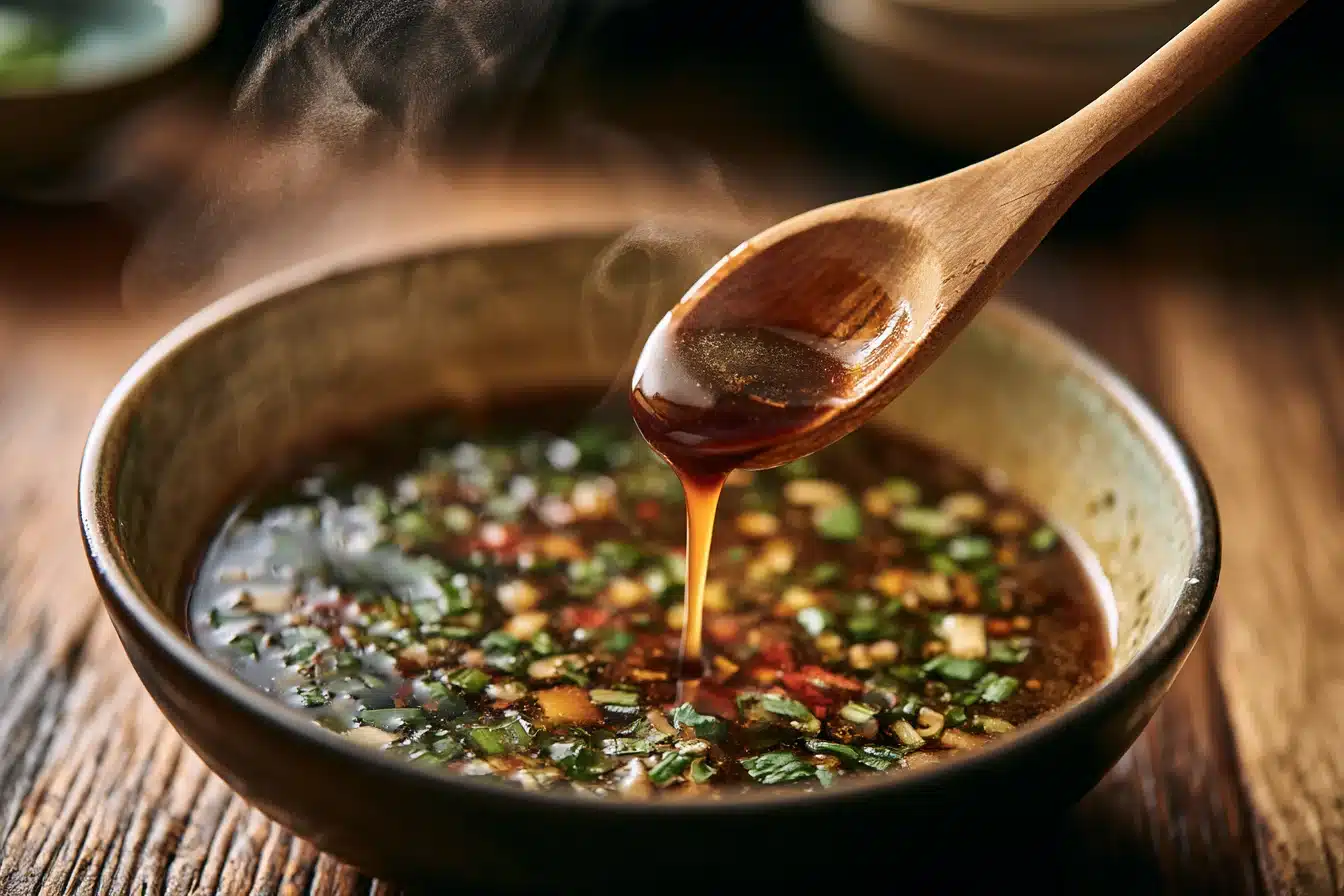
In a medium mixing bowl, combine the soy sauce, peanut butter, rice vinegar, honey, and sesame oil. Whisk thoroughly until a smooth paste forms. This will be the foundation of your Homemade Hoisin Sauce Recipe.
Step 3: Add Flavor
Add garlic, sriracha, and five-spice powder to the mixture. Whisk again until the ingredients are completely blended. Taste the sauce; feel free to adjust sweetness or heat by adding more honey or sriracha according to your preference.
Step 4: Adjust Consistency
If your sauce is too thick, gradually stir in a small amount of water until the desired thickness is achieved. You want a smooth, pourable consistency that can easily coat your dishes.
Nutritional Information
Here’s what you can expect per tablespoon serving of your Homemade Hoisin Sauce Recipe:
- Calories: 40
- Protein: 2g
- Carbohydrates: 5g
- Fat: 2g
- Fiber: 0g
- Sugar: 2g
This breakdown shows that a homemade approach allows you to enjoy your favorite flavors while keeping track of your diet and health goals.
Healthier Alternatives for the Recipe
Incorporating nutritious alternatives into your Homemade Hoisin Sauce Recipe can make a significant difference without losing any flavor. Consider the following modifications:
- Low-Sodium Soy Sauce: Opt for low-sodium versions to reduce sodium intake.
- Natural Sweeteners: Replace honey with mashed bananas for a unique twist or stevia for a low-calorie option.
- Experiment with Vinegars: Apple cider vinegar can add a unique flavor profile while offering health benefits.
Serving Suggestions
Your Homemade Hoisin Sauce Recipe is versatile and pairs well with a variety of dishes. Here are some enjoyable ways to use it:
- Glaze for Roasted Meat: Brush it over chicken or pork before roasting for an extra layer of flavor.
- Dipping Sauce: Serve it alongside spring rolls or grilled shrimp for a delightful dipping experience.
- Stir-Fry Sauce: Incorporate it into your favorite veggie stir-fry for a touch of umami.
Common Mistakes to Avoid
- Omitting Key Ingredients: Don’t skip the five-spice powder; it’s essential for that authentic flavor.
- Using Overly Thick Peanut Butter: Make sure to use a creamy style for easier mixing.
- Tasting Before Adjusting: Always taste your sauce before adding more ingredients to avoid over-sweetening or over-spicing.
Storing Tips for the Recipe
Understanding how to store your Homemade Hoisin Sauce Recipe ensures its longevity and freshness:
- Refrigeration: Store in an airtight container in the refrigerator. It should last for up to two weeks.
- Freezing: For longer storage, pour your sauce into ice cube trays and freeze. Transfer to a zip-lock bag once frozen, which allows for convenient portioning.
- Reheating: If reheating from frozen, drop cubes directly into your cooking dish, allowing them to melt and blend with the other ingredients.
Conclusion
Your journey to creating a delectable Homemade Hoisin Sauce Recipe is both simple and rewarding. With just a few ingredients and minimal preparation, you have the power to customize flavors and cater to your dietary needs. Experiment with variations, share your creations with friends, and enjoy the enhanced taste in your Asian-inspired dishes.
Don’t hesitate to leave your comments or feedback below! Let us know how your homemade sauce turned out or explore more of our recipes to make your culinary adventures even more exciting.
FAQs
Can I make this hoisin sauce recipe in advance?
Absolutely! This sauce can be made ahead of time and stored in the refrigerator for up to two weeks or frozen for longer preservation.
Is there a vegetarian alternative to hoisin sauce?
Yes! Most traditional hoisin sauces are vegetarian, but make sure to double-check the ingredients if you’re using commercial brands. Homemade versions ensure it’s 100% vegetarian.
How can I make hoisin sauce less sweet?
To reduce the sweetness, simply adjust the amount of honey or sweetener used. You can also add a splash of soy sauce or vinegar to balance the flavors.
Can I use this sauce in Western dishes?
Definitely! This sauce can be a unique addition to BBQ marinades, sandwiches, and even dressings. Feel free to get creative!
What is the best way to serve hoisin sauce?
Hoisin sauce can be served as a dipping sauce, marinade, or glaze. It pairs wonderfully with grilled meats, stir-fried vegetables, or even as a spread in wraps.