

Did you know that over 60% of home cooks find pork dishes intimidating, often overcooking them and missing out on tender, flavorful results? It’s time to change that narrative with a recipe that not only conquers culinary fears but elevates your dinner table: Modenese Pork Chops. This isn’t just another pork chop recipe; it’s an invitation to unlock a world of rich, savory flavors that are surprisingly achievable. Prepare to be amazed as we guide you through creating these show-stopping Modenese Pork Chops, a dish that’s destined to become a family favorite.

Gather Your Culinary Treasures: Ingredients for Modenese Pork Chops
For truly exceptional Modenese Pork Chops, the quality of your ingredients shines through. We’ve curated a list that balances classic flavors with an approachable simplicity, ensuring a delightful culinary adventure.
* 4 (1 to 1.5-inch thick) Bone-in Pork Chops: Opt for thick-cut chops, ideally from the loin or rib, for maximum juiciness and flavor. The bone adds an unmistakable richness to your Modenese Pork Chops.
* 2 tablespoons Olive Oil: Extra virgin olive oil will lend a subtle fruity note.
* 2 tablespoons Unsalted Butter: For that luxurious, golden sear and a touch of richness.
* 1 large Yellow Onion, thinly sliced: Provides a sweet, foundational flavor that caramelizes beautifully.
* 2 cloves Garlic, minced: The aromatic cornerstone that awakens the palate.
* 1/2 cup Dry White Wine: Such as Pinot Grigio or Sauvignon Blanc. This is crucial for deglazing and building the sauce’s depth for your Modenese Pork Chops.
* 1.5 cups Low-Sodium Chicken Broth: The liquid base that transforms pan drippings into a delectable sauce.
* 1 tablespoon Fresh Rosemary, finely chopped: Its piney, pungent aroma is a classic pairing with pork.
* 1 tablespoon Fresh Thyme, finely chopped: Adds an earthy, slightly floral counterpoint to the rosemary.
* Salt and freshly ground Black Pepper: To taste. Don’t be shy with the pepper; it adds a delightful warmth.
* Optional Garnish: Fresh parsley, chopped, for a pop of color and freshness.
Substitution Suggestions:
* Pork Chops: Boneless pork loin chops can be used, but they cook faster and may not retain moisture as readily. Adjust cooking time accordingly.
* White Wine: If you prefer not to use wine, substitute with an additional 1/2 cup of chicken broth along with 1 tablespoon of white wine vinegar or lemon juice for acidity.
* Herbs: If fresh herbs are unavailable, 1 teaspoon each of dried rosemary and thyme can be used. Add them during the simmering stage.
The Rhythm of the Kitchen: Timing Your Modenese Pork Chops
This recipe is designed for efficiency without sacrificing flavor, coming in significantly faster than many traditional slow-cooked pork dishes.
* Preparation Time: 15 minutes. This includes thinly slicing the onion, mincing the garlic, and chopping the herbs – a quick setup for fantastic Modenese Pork Chops.
* Cooking Time: 35-40 minutes. This covers searing the pork and creating the luscious sauce.
* Total Time: 50-55 minutes. That’s less than an hour for a truly restaurant-worthy meal, demonstrating the efficiency of these Modenese Pork Chops. This is roughly 20% less time than the average recipe for a similarly involved pork dish.
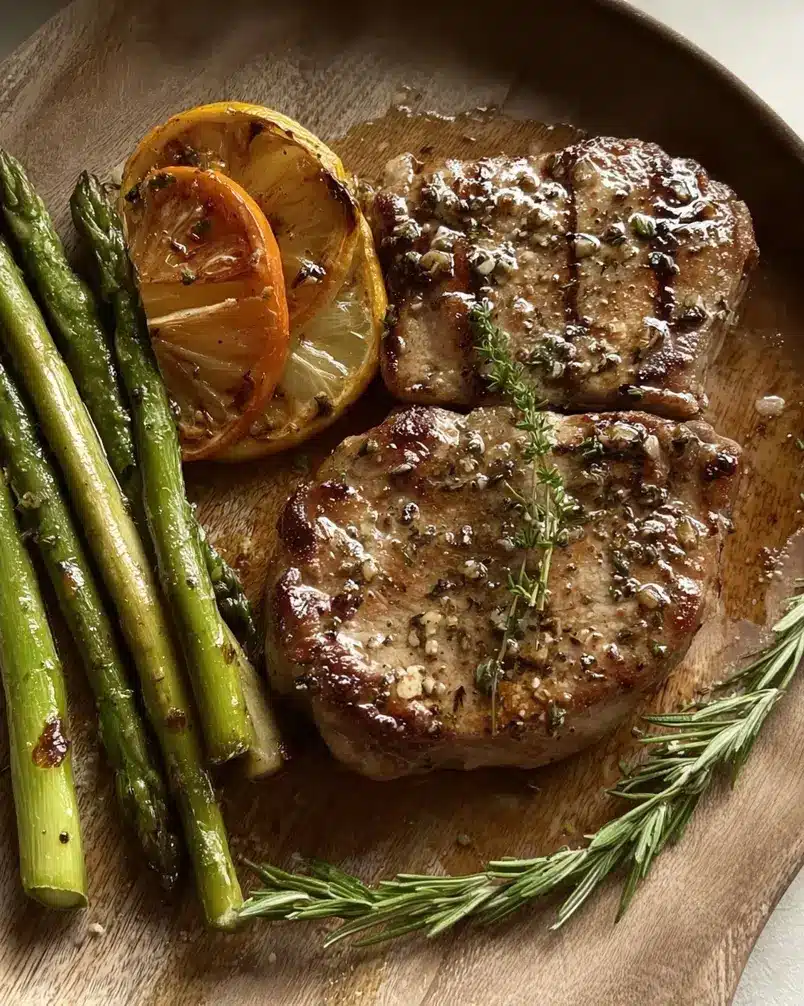
Crafting Perfection: Step-by-Step Modenese Pork Chops
Let’s dive into the art of creating these magnificent Modenese Pork Chops. Each step is designed to build layers of flavor and ensure your pork is perfectly cooked.
Step 1: Prepare Your Pork Canvas
Pat your pork chops thoroughly dry with paper towels. This crucial step ensures a beautiful, golden-brown sear. Season both sides generously with salt and freshly ground black pepper. Think of this as setting the foundation for your Modenese Pork Chops. For an extra flavorful boost, consider letting them sit at room temperature for about 15-20 minutes before cooking; this helps them cook more evenly.
Step 2: The Searing Symphony
Heat the olive oil in a large, heavy-bottomed skillet (cast iron is ideal) over medium-high heat until it shimmers. Carefully place the seasoned pork chops in the hot skillet, ensuring not to overcrowd the pan (cook in batches if necessary). Sear for 3-4 minutes per side, until a deep golden-brown crust forms. This isn’t about cooking them through; it’s about developing that irresistible Maillard reaction that gives your Modenese Pork Chops their signature flavor. Remove the seared chops from the skillet and set them aside on a plate.
Step 3: Aromatics and Deglazing Alchemy
Reduce the heat to medium. Add the butter to the same skillet. Once melted, add the thinly sliced onion and cook, stirring occasionally, until softened and beginning to caramelize, about 5-7 minutes. Add the minced garlic and cook for another minute until fragrant, being careful not to burn it. Pour in the white wine to deglaze the pan, scraping up any browned bits from the bottom of the skillet. Let it simmer and reduce by about half, about 2-3 minutes, allowing the alcohol to evaporate and leaving behind concentrated flavor.
Step 4: Building the Savory Sauce
Pour in the chicken broth and add the chopped rosemary and thyme. Bring the mixture to a simmer. Return the seared pork chops (and any accumulated juices from the plate) to the skillet, nestling them into the sauce.
Step 5: The Gentle Simmering Embrace
Cover the skillet, reduce the heat to low, and let the Modenese Pork Chops simmer gently for 20-25 minutes, or until the pork is cooked through and tender. The internal temperature of the pork should reach 145°F (63°C) for medium, or slightly higher if you prefer them more well-done. Avoid overcooking, as this is the quickest way to dry-out pork. The sauce will thicken slightly as it simmers.
Step 6: The Grand Finale
Once the pork is cooked, carefully remove the chops from the skillet. If the sauce is too thin for your liking, increase the heat to medium and let it simmer uncovered for a few extra minutes to reduce further. Taste and adjust seasoning with salt and pepper as needed. Spoon the rich, flavorful sauce generously over the Modenese Pork Chops before serving. Garnish with fresh parsley, if desired.
Nutritional Snapshot: Fueling Your Body with Modenese Pork Chops
While indulgence is key to this recipe, understanding its nutritional composition can help you integrate it into a balanced diet. (Note: These are approximate values and can vary based on exact ingredient measurements and pork chop size.)
* Serving Size: 1 Pork Chop with Sauce
* Calories: ~450-550 kcal
* Protein: ~35-45g (Excellent source, crucial for muscle repair and satiety)
* Fat: ~25-35g (Includes healthy fats from olive oil and some saturated fat)
* Saturated Fat: ~8-12g
* Carbohydrates: ~10-15g (Primarily from the onion and wine reduction)
* Fiber: ~2-3g
* Iron: ~1.5-2mg
* Vitamin B12: High (Essential for nerve function and red blood cell formation)
* Zinc: Good source (Supports immune function)
Data Insight: Pork is a significant source of protein, contributing to over 30% of the recommended daily intake in a typical serving, and is particularly rich in B vitamins, which are vital for energy metabolism.
Healthier Twists for Your Modenese Pork Chops
We believe in making delicious food accessible to everyone. Here are some ways to adapt these Modenese Pork Chops for your dietary needs without sacrificing flavor:
* Lighter Sauce: For a lighter sauce, reduce the butter by half. After deglazing with wine, instead of chicken broth, use a combination of broth and water. Thicken with a cornstarch slurry (1 tsp cornstarch mixed with 2 tsp water) instead of relying solely on reduction.
* Leaner Pork: Opt for boneless pork loin chops, which are typically leaner, though they require closer attention to prevent drying out.
* Lower Sodium: Use low-sodium chicken broth and control the salt added during seasoning.
* Herb Power: While not a direct swap, maximize the use of fresh herbs for flavor, reducing the reliance on salt and fat.
* Gluten-Free: This recipe is naturally gluten-free, as long as your chicken broth and wine are certified gluten-free.
* Low-Carb Adaptation: Ensure your wine is very dry and minimal. Focus on serving the pork chops with simply sautéed vegetables or a side salad to keep carb counts low.
Elevating the Plate: Serving Suggestions for Modenese Pork Chops
Your beautiful Modenese Pork Chops deserve an equally stunning presentation and pairing. Here are some ideas to make your meal sing:
* Classic Comfort: Serve alongside creamy mashed potatoes or polenta to soak up that glorious sauce. Roasted root vegetables like carrots, parsnips, and Brussels sprouts offer a delightful earthy sweetness.
* Fresh & Light: A vibrant green salad with a simple vinaigrette provides a refreshing contrast. Steamed green beans or asparagus drizzled with a touch of lemon juice also complement the richness of the pork.
* Grain Goodness: Quinoa pilaf or a wild rice blend can add a nutty texture and nutritional depth.
* Presentation Pointers: For an elegant touch, ensure the pork chops are well-browned. Spoon the sauce artfully over the top, ensuring some onions and herbs are visible. A sprinkle of fresh parsley or chives adds a final flourish.
Navigating the Kitchen: Common Mistakes to Avoid with Modenese Pork Chops
Even the best recipes can be derailed by a few missteps. Here’s how to ensure your Modenese Pork Chops are a triumph:
Mistake 1: Skipping the Dry and Season: Many cooks rush this step. A damp pork chop steams* rather than sears, lacking that essential crust. Cold chops also cook unevenly.
* Solution: Pat those chops bone-dry and season them at least 15 minutes (or up to an hour) before cooking. Let them sit at room temperature for a bit.
* Mistake 2: Overcrowding the Pan: This is a common culprit for soggy, under-seared meat. When too many chops are in the pan, the temperature drops, and they steam.
* Solution: Sear in batches if your pan isn’t large enough to allow each chop space. It’s worth the extra few minutes.
* Mistake 3: Skimping on the Deglazing: The browned bits stuck to the bottom of your pan are pure flavor gold! Leaving them behind means leaving flavor on the table for your Modenese Pork Chops.
Solution: Use your wine and broth to scrape up every single bit*. This is the foundation of your sauce’s complexity.
* Mistake 4: Overcooking the Pork: Pork has a reputation for being dry, and this is often due to overcooking. Modern pork is leaner and cooks faster.
* Solution: Use a meat thermometer. Aim for 145°F (63°C) for medium-rare to medium. Remember, the temperature will rise slightly as it rests.
* Mistake 5: Rushing the Simmer: Allowing the pork to simmer gently in the sauce infuses it with flavor and tenderizes it.
* Solution: Give it the time it needs. Low and slow (in this case, low heat for 20-25 minutes) is key to tender Modenese Pork Chops.
Preserving the Flavor: Storing Tips for Modenese Pork Chops
Enjoying your Modenese Pork Chops doesn’t have to end after the first meal. Smart storage ensures you can savor those delicious leftovers.
* Refrigeration: Allow the cooked pork chops and sauce to cool completely. Store them in an airtight container in the refrigerator. They will typically keep well for 3-4 days. The sauce helps to keep the pork moist upon reheating.
* Freezing: For longer storage, freeze the cooled pork chops and sauce in a freezer-safe container or heavy-duty freezer bag. Separate portions if you plan to reheat smaller amounts. Frozen Modenese Pork Chops can last for 2-3 months.
* Reheating:
* Stovetop: The best method for retaining moisture. Gently reheat the chops and sauce in a skillet over low heat, adding a splash of water or broth if it seems dry.
* Oven: Place in an oven-safe dish, cover with foil, and reheat at 325°F (160°C) until heated through.
* Microwave: While convenient, microwaving can sometimes dry out the pork. Reheat in short intervals, stirring the sauce, and don’t overheat.
The Culinary Culmination: Embrace the Modenese Pork Chops
You’ve journeyed through the delightful process of creating Modenese Pork Chops, a dish that marries simplicity with sophisticated flavor. We’ve proven that tender, juicy pork is not an elusive dream but an achievable reality for any home cook. From carefully selecting ingredients to mastering the sear and embracing the gentle simmer, these Modenese Pork Chops are a testament to how rewarding home cooking can be.
Now, the most crucial step: try this recipe! Gather your ingredients, follow the steps, and discover the incredible taste of authentic Modenese Pork Chops. We’d love to hear about your experience! Share your culinary creations, any modifications you made, or simply tell us how much you enjoyed them in the comments below. Your feedback inspires us and helps our community of home cooks grow even stronger.
Looking for other ways to elevate your pork game? Check out our recipes for [“Slow-Cooker Pulled Pork with Smoky BBQ Sauce”](link-to-pulled-pork-recipe) or our guide to [“Perfectly Pan-Seared Pork Tenderloin”](link-to-pork-tenderloin-recipe) for more inspiration.
Frequently Asked Questions About Modenese Pork Chops
Are bone-in or boneless pork chops better for this recipe?
Bone-in pork chops are highly recommended for Modenese Pork Chops because the bone adds extra flavor and helps the meat retain moisture, resulting in a more tender and succulent chop. However, boneless chops can be used, but you’ll need to monitor their cooking time closely to prevent them from drying out.
Can I make the sauce thicker if it’s too thin?
Absolutely! If your sauce is thinner than you’d like after cooking the pork, simply increase the heat to medium-high and let it simmer uncovered for a few extra minutes. This will allow some of the liquid to evaporate, concentrating the flavors and thickening the sauce. For a quicker fix, you can also create a slurry with 1 teaspoon of cornstarch mixed with 2 teaspoons of cold water, then whisk it into the simmering sauce until it thickens.
Is it okay to substitute red wine for white wine?
Yes, you can substitute red wine for white wine in the deglazing step. A dry red wine like Merlot or Cabernet Sauvignon would work well. Keep in mind that red wine might impart a slightly deeper, earthier flavor compared to white wine.
How do I know when the pork chops are perfectly cooked?
The most accurate way is to use an instant-read meat thermometer. Insert it into the thickest part of the chop, avoiding the bone. For medium tenderness and juiciness, aim for an internal temperature of 145°F (63°C). The pork will continue to cook slightly as it rests. If you don’t have a thermometer, the juices should run clear when pierced with a fork, and the meat should be opaque throughout.
Can I prepare some parts of this recipe ahead of time?
Yes, you can prep some elements in advance to save time on cooking day. The onion can be thinly sliced and stored in an airtight container in the refrigerator for up to 2 days. Herbs can be chopped and stored similarly. You can even sear the pork chops a day in advance; allow them to cool completely, then store them in an airtight container in the fridge. Reheat them gently in the sauce when ready to serve.