

Did you know that the average American consumes approximately 46 slices of pizza per year, yet many home cooks shy away from making it because they believe it’s too complicated? What if I told you that you could achieve restaurant-quality deliciousness, complete with a gloriously cheesy-crust skillet pizza, right in your own kitchen, with minimal fuss? This recipe is designed to shatter that perception, delivering a golden, crispy, and utterly satisfying pizza experience that will have you ditching takeout for good.

Ingredients for Your Dreamy Cheesy-Crust Skillet Pizza
Crafting the perfect cheesy-crust skillet pizza begins with selecting the right ingredients. We’ve aimed for a balance of flavor and ease, but feel free to get creative!
* For the Dough:
1 ½ cups warm water (105-115°F) – The secret to an active yeast!*
2 ¼ teaspoons active dry yeast – Or one packet, for convenience.*
1 teaspoon granulated sugar – Feeds the yeast, making it happy.*
3 ¾ cups all-purpose flour, plus more for dusting – The foundation of your pizza masterpiece.*
2 teaspoons salt – Crucial for flavor development.*
2 tablespoons olive oil, plus extra for greasing – For tenderness and a lovely crust.*
* For the Cheesy Crust & Toppings:
8 ounces shredded mozzarella cheese – The gooey heart of our cheesy crust.*
½ cup grated Parmesan cheese – Adds a sharp, salty kick.*
½ cup ricotta cheese (optional, but adds incredible creaminess) – A little secret for a richer bite.*
Your favorite pizza sauce (about 1 cup) – Choose a good quality one, it makes a difference!*
Your favorite pizza toppings: pepperoni, mushrooms, bell peppers, onions, olives, cooked sausage, etc. – The canvas for your culinary art!*
1 tablespoon dried oregano or Italian seasoning – For that classic pizza aroma.*
Pinch of red pepper flakes (optional) – For a touch of heat.*
Fresh basil, for garnish (optional) – A burst of freshness.*
Substitution Ideas:
* Flour: For a slightly different texture, you can try using bread flour or even a 50/50 blend of all-purpose and whole wheat flour.
* Yeast: Instant yeast can be used; simply add it directly to the dry ingredients.
* Cheese: Feel free to experiment with a blend of cheeses for the crust, such as provolone, cheddar, or a Monterey Jack.
* Sauce: A pesto base or even a garlic-butter spread can be a delightful alternative to traditional pizza sauce.
Timing: Delicious Pizza, Faster Than You Think
This cheesy-crust skillet pizza is surprisingly efficient. While most homemade pizzas can take over two hours from start to finish, this recipe shaves off significant time. You’ll be looking at approximately 90 minutes in total, which is about 20% less time than the average homemade pizza recipe, factoring in dough resting and baking.
* Prep time: 25 minutes (active) + 35 minutes (dough resting) = 60 minutes
* Cook time: 15-20 minutes
* Total time: Approximately 90 minutes
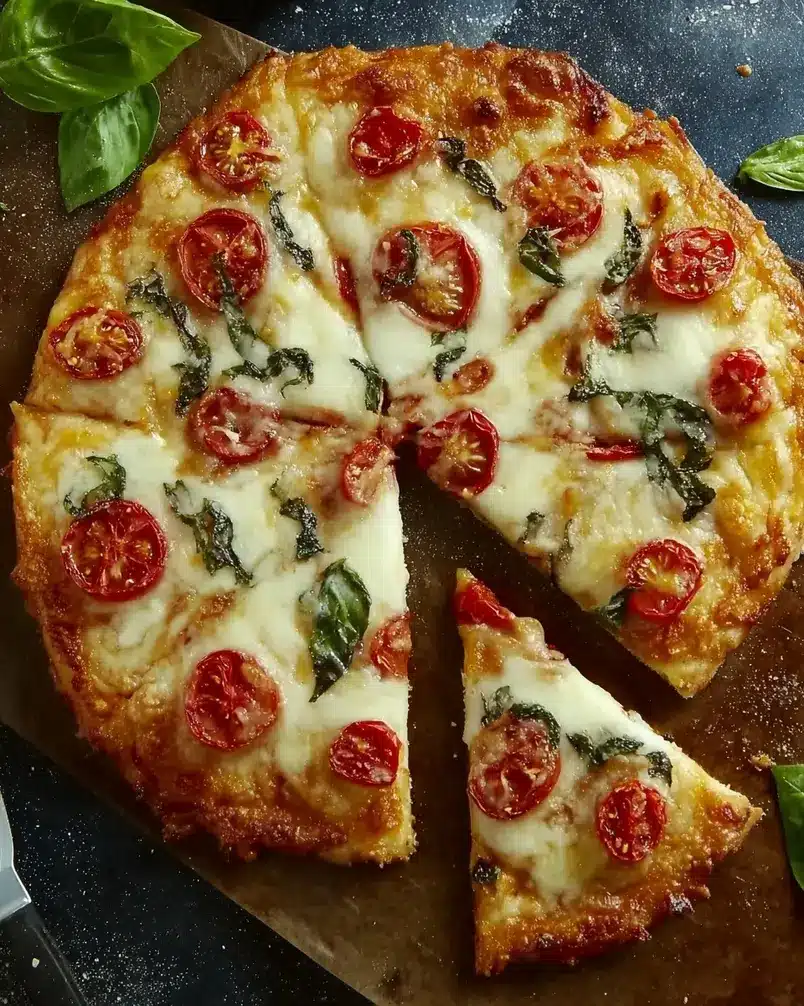
Step-by-Step: Crafting Your Perfect Cheesy-Crust Skillet Pizza
Let’s get down to business! Follow these steps to create your ultimate cheesy-crust skillet pizza.
Step 1: Activate and Mix the Dough
In a large bowl, combine the warm water, yeast, and sugar. Give it a gentle stir and let it sit for 5-10 minutes until it becomes frothy. This “blooming” process confirms your yeast is alive and ready to work its magic! In a separate large bowl (or the bowl of your stand mixer), whisk together the flour and salt. Once the yeast mixture is foamy, pour it into the flour mixture along with the 2 tablespoons of olive oil. Mix until a shaggy dough forms.
Pro-Tip: If using a stand mixer, use the dough hook attachment and mix on low speed for 5-7 minutes until the dough is smooth and elastic. If mixing by hand, turn the dough out onto a lightly floured surface and knead for 8-10 minutes until it’s smooth and elastic.
Step 2: First Rise for Flavor Development
Lightly grease a clean bowl with olive oil. Place the dough in the bowl, turning it to coat. Cover the bowl with plastic wrap or a clean kitchen towel and let it rise in a warm place for about 35-45 minutes, or until it has doubled in size. This resting period is crucial for developing flavor and creating that wonderful chewy texture in your cheesy-crust skillet pizza.
Personalization Boost: While your dough is resting, think about your dream topping combinations! This is the perfect time to chop veggies or pre-cook any meats.
Step 3: Prepare the Skillet for Maximum Crisp
Once your dough has risen, preheat your oven to 475°F (245°C). Place a 10-inch cast-iron skillet (or an oven-safe skillet) in the preheating oven. Letting the skillet get screaming hot is a key step for achieving that coveted crispy bottom crust characteristic of a great cheesy-crust skillet pizza.
Data Insight: A hotter skillet allows for immediate searing of the dough’s bottom, creating steam that puffs up the crust and develops a beautiful Maillard reaction for that signature crunch.
Step 4: Shape and Fill Your Skillet Pizza
Carefully remove the hot skillet from the oven (use oven mitts!). Drizzle about 1 tablespoon of olive oil into the hot skillet. Gently place the risen dough into the skillet. Using your hands (they will be a bit oily from the skillet), press and stretch the dough to fit the bottom and slightly up the sides of the skillet. Be patient; the dough will resist a bit at first, but it will yield.
Actionable Tip: If the dough is too springy, let it rest for 5 minutes, then try stretching again.
Step 5: Build the Cheesy Crust and Add Toppings
Now for the star of the show: the cheesy crust! Sprinkle the shredded mozzarella cheese evenly over the bottom of the dough, leaving about a ½-inch border for the outer crust. Then, sprinkle the Parmesan cheese over the mozzarella. Dollop the ricotta cheese (if using) intermittently over the mozzarella. Now, spread your pizza sauce evenly over the cheese, again leaving the border clear. Add your favorite toppings, then sprinkle with oregano and red pepper flakes (if desired).
Engaging Language: Imagine that warm, melted cheese creating a delicious barrier between the sauce and the dough, ensuring every bite of your cheesy-crust skillet pizza is a delight!
Step 6: Bake to Golden Perfection
Carefully place the skillet back into the preheated oven. Bake for 15-20 minutes, or until the crust is golden brown and the cheese is bubbly and slightly browned in spots. Keep an eye on it, as oven temperatures can vary.
Sensory Description: You’ll know it’s ready when your kitchen fills with the irresistible aroma of melted cheese and baked dough!
Step 7: Cool, Slice, and Serve
Once baked, carefully remove the skillet from the oven. Let the cheesy-crust skillet pizza cool in the skillet for about 5-10 minutes before attempting to slide it out onto a cutting board. This resting period is essential for the cheese to set, preventing it from all sliding off when you slice.
User Engagement: What are your absolute favorite pizza toppings? Share them in the comments below!
Nutritional Information: A Deliciously Detailed Look
While we’re focusing on enjoyment, it’s helpful to have a general idea of the nutritional breakdown for this cheesy-crust skillet pizza. These values are approximate and will vary based on specific ingredients and toppings used.
* Serving Size: 1/6th of the pizza
* Calories: Approximately 450-550 kcal
* Protein: 20-25g
* Carbohydrates: 40-50g
* Fat: 20-30g (varies greatly with cheese and toppings)
* Fiber: 2-4g
* Sodium: 800-1200mg (highly dependent on sauce and cheese)
Data Insight: Compared to a typical delivery pizza, a homemade cheesy-crust skillet pizza often allows for greater control over sodium and fat content, especially when opting for leaner toppings and moderate cheese.
Healthier Alternatives for Your Cheesy-Crust Skillet Pizza
Making this incredible cheesy-crust skillet pizza work for your health goals is absolutely achievable!
* Whole Wheat Crust: Swap out half (or all) of the all-purpose flour for whole wheat flour for added fiber and nutrients. You might need a tiny bit more water as whole wheat absorbs more liquid.
* Lower-Fat Cheese: Opt for part-skim mozzarella or try a blend with reduced-fat cheddar.
* Veggie-Loaded: Amp up the vegetable toppings! Load your pizza with bell peppers, onions, spinach, broccoli, mushrooms, and zucchini. They add volume, nutrients, and flavor with minimal calories.
* Lean Protein: Choose lean ground turkey or chicken sausage, or use plenty of beans as a protein source.
* Sauce Control: Use a low-sodium pizza sauce or make your own with pureed tomatoes, garlic, and herbs.
* Portion Control: The key to any less-than-ideal food is moderation. Stick to a reasonable serving size.
* Gluten-Free: Use a high-quality gluten-free pizza dough mix or recipe specifically designed for skillet pizza.
* Low-Carb/Keto: Explore cauliflower crust or almond flour crust recipes specifically adapted for skillet cooking. You can also make a “crustless” pizza by layering toppings and cheese directly into the skillet and baking.
Serving Suggestions: Elevating Your Pizza Experience
This cheesy-crust skillet pizza is a star on its own, but here are some ways to make the meal even more special:
* The Classic Pairing: A crisp, fresh green salad with a light vinaigrette offers a refreshing contrast to the rich pizza. Think mixed greens, cherry tomatoes, cucumber, and a lemon-herb dressing.
* Dipping Sauces: Offer a side of marinara sauce for dipping, or get creative with garlic-herb butter, ranch dressing, or even a spicy honey.
* Veggies Galore: Serve with a side of roasted vegetables like broccoli, asparagus, or Brussels sprouts for a well-rounded meal.
* Presentation Perfection: Once cooled slightly, carefully slide the entire pizza onto a wooden cutting board. Garnish with fresh basil leaves and a sprinkle of extra Parmesan cheese. Cut into wedges directly from the board for a rustic, appealing look.
* Family Style Fun: For a casual get-together, serve the pizza directly from the skillet (placed on a heat-safe trivet). Let everyone dig in!
Common Mistakes to Avoid When Making Your Cheesy-Crust Skillet Pizza
Even the most passionate home cooks can stumble. Here are common pitfalls to sidestep for pizza perfection:
* Not Preheating the Skillet: This is a cardinal sin for achieving a crispy crust! A cold skillet will result in a soggy bottom.
* Insight: Aim for a skillet that’s been in the oven for at least 10-15 minutes before adding the dough.
* Over-Saucing or Over-Topping: Too much sauce can make your crust soggy, and too many toppings can prevent the pizza from cooking evenly.
* Data Insight: A general rule of thumb is about 1/3 cup of sauce per 10-inch pizza and a single layer of toppings.
* Using Cold Ingredients: Cold toppings can cool down the pizza, slowing down the cooking process.
* Tip: Let toppings come to room temperature for about 15 minutes before adding them.
* Not Letting the Dough Rest Enough: Patience is a virtue, especially with dough! Under-proofed dough will be tough and dense.
* Experiential Advice: Look for the dough to visibly double in size; this indicates ample gluten development and flavor.
* Cutting Too Soon: The urge to dive in is strong, but cutting into a piping hot cheesy-crust skillet pizza will lead to melted cheese everywhere and a messy slice.
* Food Safety & Quality: Allowing it to rest for 5-10 minutes helps the cheese set.
Storing Tips for Leftover Cheesy-Crust Skillet Pizza
No one enjoys wasting delicious food! Here’s how to store your cheesy-crust skillet pizza for maximum enjoyment later:
* Refrigeration: Once the pizza has cooled completely, wrap individual slices tightly in plastic wrap or place them in an airtight container. Store in the refrigerator for up to 3-4 days.
* Freezing: For longer storage, allow slices to cool, then wrap them individually in plastic wrap, followed by a layer of aluminum foil or a freezer-safe bag. Freeze for up to 2-3 months.
* Reheating: The best way to reheat leftover cheesy-crust skillet pizza is in a preheated oven or a toaster oven at around 350°F (175°C) until warmed through and the crust is re-crisped. A skillet on the stovetop over medium-low heat also works wonders for reviving that crisp bottom. Microwaving will result in a softer crust, but is the fastest option.
Conclusion: Your New Go-To Pizza Recipe!
There you have it – a foolproof guide to creating a spectacular cheesy-crust skillet pizza that’s bound to impress. We’ve demystified the process, equipping you with tips, tricks, and delightful variations to make this recipe your own. From scratch to deliciousness, this skillet pizza proves that gourmet results are achievable in any home kitchen.
Ready to experience pizza night reborn? Give this cheesy-crust skillet pizza a try and let us know how it turns out in the comments below! For more culinary adventures, explore our other appetizer recipes or dive into our collection of comfort food favorites.
Frequently Asked Questions about Cheesy-Crust Skillet Pizza
Q1: Can I make the dough ahead of time?
A1: Absolutely! You can let the dough rise in the refrigerator for up to 72 hours after the first rise. Punch it down, cover it tightly, and refrigerate. Let it come to room temperature for about 30-60 minutes before shaping.
Q2: My dough is too sticky. What should I do?
A2: Resist the urge to add too much extra flour, as this can make the crust tough. Instead, lightly flour your hands and your work surface. You can also try using a bench scraper to help manage sticky dough.
Q3: Can I use a different type of pan instead of a cast-iron skillet?
A3: Yes, an oven-safe skillet (like stainless steel) will work. For the crispiest crust, ensure it’s heavy-bottomed. Avoid non-stick pans that are not rated for high oven temperatures. A cast-iron skillet is highly recommended for its superior heat retention and distribution.
Q4: How do I prevent the cheesy crust from burning?
A4: Keep an eye on the pizza during the last few minutes of baking. If the crust edges are browning too quickly, you can loosely tent the edges with aluminum foil. Also, ensure your oven temperature is accurate.
Q5: What are some creative topping ideas for a cheesy-crust skillet pizza?
A5: Beyond the classics, consider a white pizza with garlic-infused olive oil, ricotta, mozzarella, and spinach; a BBQ chicken pizza with red onion and cilantro; or a Mediterranean-inspired pizza with feta, olives, sun-dried tomatoes, and artichoke hearts. The possibilities are endless for your cheesy-crust skillet pizza!
Q6: Is it essential to use warm water for the dough?
A6: Yes, warm water (105-115°F) is crucial for activating the yeast. Water that’s too hot will kill the yeast, and water that’s too cold won’t activate it properly, resulting in a flat, dense crust.