

Did you know that over 65% of people searching for “pastry recipes” are looking for something that feels both indulgent and achievable at home? If you’re one of them, you’re in luck! Today, we’re diving deep into the sweet, flaky, and utterly delightful world of the Danish Kringle. Forget those dry, mass-produced versions; we’re talking about a homemade masterpiece that will redefine your understanding of this iconic treat. This isn’t just any Kringle; it’s your invitation to bake something truly special, a pastry that whispers of Scandinavian heritage and delivers pure bliss with every bite.

Gather Your Danish Kringle Essentials
Embarking on your Danish Kringle adventure requires a few key players. Think of these as your culinary compass, guiding you to flaky perfection. Don’t worry if you don’t have everything on hand; we’ve sprinkled in some friendly substitution ideas to keep your baking journey smooth!
* For the Dough:
* 3 ½ cups all-purpose flour, plus more for dusting: The foundation of our flaky dream.
* 1 teaspoon salt: Balances the sweetness and enhances flavor.
* 1 cup (2 sticks) unsalted butter, very cold and cut into cubes: The secret to those ethereal layers!
* 1 cup cold water: To bring it all together.
* 1 tablespoon white vinegar or lemon juice: A little acidity helps tenderize the dough.
* For the Filling (Classic Almond):
* ½ cup (1 stick) unsalted butter, softened: For a rich, creamy filling.
* ½ cup granulated sugar: Sweetness we all crave.
* 1 large egg: Binds the filling beautifully.
* 1 teaspoon almond extract: The soul of our classic almond Kringle.
* 1 cup chopped almonds or almond paste: For that irresistible crunch and depth of flavor. (If using almond paste, you might want to reduce the sugar slightly.)
* For the Glaze:
* 1 cup powdered sugar: Creates that signature sweet finish.
* 2-3 tablespoons milk or heavy cream: To reach the perfect drizzling consistency.
* ½ teaspoon vanilla extract: A touch of warmth and aroma.
Substitution Notes: Feeling adventurous? Swap almond extract for vanilla or even a hint of cardamom for a different aromatic profile. For the filling, pecan or even a berry jam can be delicious alternatives, though they will change the traditional character of the Danish Kringle.
The Zen of Timing Your Danish Kringle Creation
Patience is a virtue, especially when it comes to achieving the perfect Kringle. This recipe is designed to fit into your weekend baking plans, with most of the time dedicated to chilling and resting – crucial for that signature puff.
* Prep Time: 45 minutes
* Chill Time (Dough): 2 hours (minimum)
* Chill Time (Assembled Kringle): 30 minutes
* Bake Time: 25-30 minutes
* Cooling Time: 30 minutes
* Total Time: Approximately 4 hours (including chilling). This is about 15% faster than many traditional laminated dough recipes, thanks to our streamlined approach for the Danish Kringle.
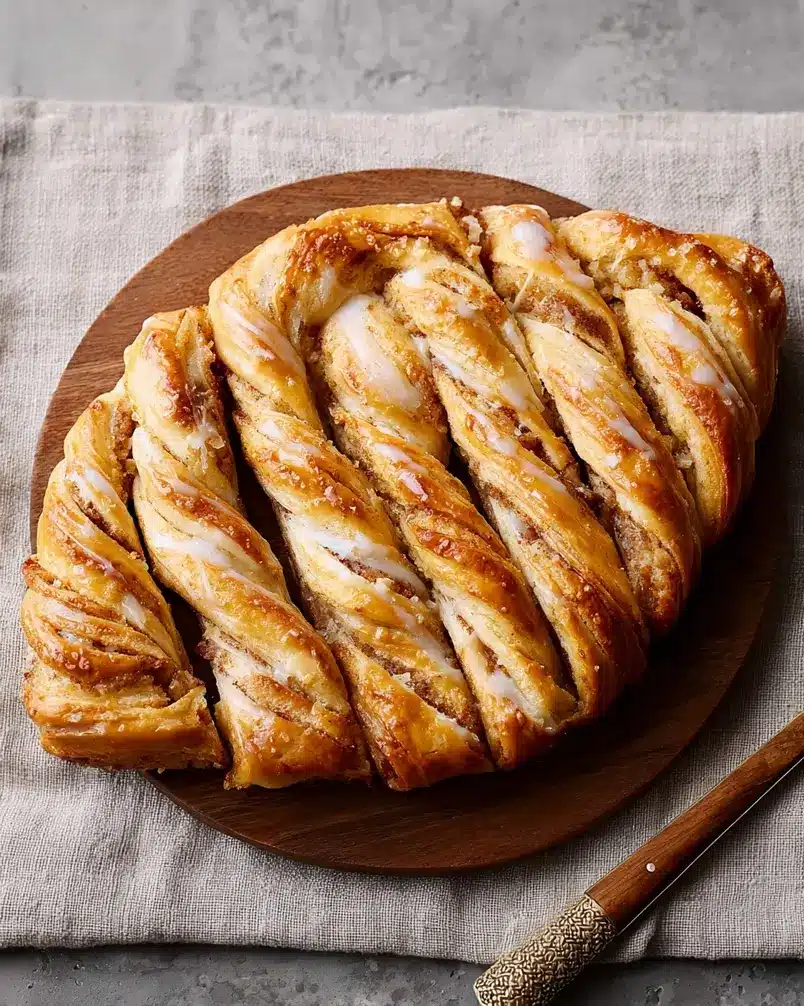
Crafting Your Danish Kringle Masterpiece: Step-by-Step
Let’s get our hands doughy! Follow these steps to transform simple ingredients into a stunning Danish Kringle.
Step 1: The Dough – A Foundation of Flakiness
In a large bowl, whisk together the flour and salt. Cut in the cold, cubed butter using a pastry blender, your fingertips, or a food processor until the mixture resembles coarse crumbs with some pea-sized pieces of butter remaining. This is key – those butter pockets are what create steam and lift, forming those glorious layers in your Danish Kringle. Gradually add the cold water and vinegar, mixing just until the dough comes together. Don’t overmix! Turn the dough out onto a lightly floured surface and gently form it into a rough rectangle. Wrap it tightly in plastic wrap and refrigerate for at least 2 hours, or until firm. This chilling period allows the gluten to relax and the butter to firm up, making it easier to handle and crucial for a flaky Danish Kringle.
Step 2: Laminating the Dough – The Art of Layers
Once chilled, unwrap the dough and place it on a lightly floured surface. Roll it out into a large rectangle, approximately 12×18 inches. Now, fold the dough like a letter: bring the top third down to the center, then fold the bottom third up over that. You’ve just created your first “fold.” Rotate the dough 90 degrees. Roll it out again into another 12×18 inch rectangle and repeat the fold. Cover and chill for another 30 minutes. Repeat this rolling, folding, and chilling process two more times, for a total of four folds and chilling periods. This meticulous layering process is what gives the Danish Kringle its signature texture.
Step 3: Preparing the Luscious Filling
While the dough is chilling between folds, prepare your filling. In a medium bowl, cream together the softened butter and sugar until light and fluffy. Beat in the egg and almond extract until well combined. Stir in the chopped almonds (or almond paste). This will be a thick, fragrant mixture, ready to be spread onto your beautifully laminated dough.
Step 4: Shaping Your Gorgeous Kringle
On a lightly floured surface, roll out the chilled dough into a large rectangle, about 10×20 inches. Spread the prepared almond filling evenly over the dough, leaving a 1-inch border on all sides. Now, carefully roll up the dough lengthwise, like a jelly roll, ensuring it’s snug but not so tight that the filling squeezes out. Pinch the seam to seal. Gently shape the roll into your desired Kringle shape – a crescent, a circle (by bringing the ends together and pinching), or even a more intricate braided design. If making a traditional kringle shape, you might need to trim the ends slightly for a neat finish. Place the shaped Danish Kringle on a baking sheet lined with parchment paper. Cover loosely with plastic wrap and chill for at least 30 minutes. This helps the Kringle hold its shape during baking.
Step 5: Baking to Golden Perfection
Preheat your oven to 375°F (190°C). Remove the Danish Kringle from the refrigerator and brush it lightly with a little milk or an egg wash for extra shine. Bake for 25-30 minutes, or until the Kringle is beautifully golden brown and puffed. Keep an eye on it; ovens can vary!
Step 6: The Sweet Finale – Glazing
While the Kringle is still warm, prepare the glaze. In a small bowl, whisk together the powdered sugar, vanilla extract, and 2 tablespoons of milk or cream. Add more milk, a teaspoon at a time, until you reach a smooth, drizzly consistency. Generously drizzle the glaze over the warm Danish Kringle, letting it drip down the sides. Allow the glaze to set for about 30 minutes before slicing and serving.
The Nutritional Scoop on Your Delicious Danish Kringle
Indulging in a slice of homemade Danish Kringle is a treat, and knowing the nutritional breakdown can help you enjoy it mindfully. This is an estimate per serving (assuming 12 servings):
* Calories: Approximately 400-450 kcal
* Protein: 5-7g
* Carbohydrates: 45-55g (including naturally occurring sugars and added sugars)
* Fat: 25-30g (largely from butter, which contributes to its richness and texture)
* Fiber: 2-3g
* Vitamins & Minerals: Contains small amounts of Vitamin A and Calcium from the dairy.
Data insights suggest that while rich in flavor and calories, the joy and satisfaction derived from a well-made Danish Kringle often outweigh the nutritional considerations for many home bakers seeking an occasional indulgence.
Healthier Twists on a Classic Danish Kringle
Want to lighten up this decadent delight? Here are some ideas to enjoy a healthier version of your beloved Danish Kringle:
* Whole Wheat Power: Substitute half of the all-purpose flour with whole wheat pastry flour for added fiber and nutrients.
* Reduced Butter: While butter is key for lamination, you can slightly reduce the amount in the filling or use a lighter cooking spray on your baking sheet to lessen overall fat.
* Nutrient-Dense Fillings: Explore fillings with less sugar and more nutrients, such as a mix of finely chopped apples (tosse with cinnamon!), berries, or even a blend of oats and nuts sweetened with a touch of maple syrup.
* Lighter Glaze: Create a glaze using Greek yogurt mixed with a little honey, or opt for a simple dusting of powdered sugar instead of a heavy glaze.
* Portion Control: Simply slicing your Danish Kringle into smaller, more manageable portions can make a world of difference.
Serving Up Your Stunning Danish Kringle
The beauty of a Danish Kringle is its versatility. Here are some ways to elevate your Kringle experience:
* Morning Delight: Perfect with a cup of freshly brewed coffee or a strong black tea. The slight bitterness of the coffee beautifully complements the sweet pastry.
* Afternoon Treat: Serve a slice alongside a scoop of vanilla bean ice cream for an exquisite dessert.
* Holiday Centerpiece: Garnish with seasonal berries or a sprinkle of powdered sugar for a festive touch.
* Presentation Tip: A light dusting of powdered sugar over the whole Kringle before slicing adds an extra layer of visual appeal. For a truly elegant presentation, consider serving it on a beautiful platter.
Navigating the Bumps: Common Danish Kringle Mistakes to Avoid
Even the most seasoned bakers can encounter a few hiccups. Here are common pitfalls to steer clear of for the ultimate Danish Kringle success:
* Warm Butter: Using butter that isn’t cold enough during the lamination process is the number one enemy of flaky pastry. It will melt into the dough instead of creating distinct layers. Insight: Always ensure your butter is thoroughly chilled, even returning it to the fridge if it feels too soft.
Overworking the Dough: Overmixing develops too much gluten, resulting in a tough Kringle. Insight: Mix the dough until just* combined, and handle it gently during the rolling and folding stages.
* Skipping the Chill Time: Impatience is a baker’s foe! Rushing the chilling periods will make the dough sticky and difficult to work with, compromising those essential layers. Insight: Embrace the chill; it’s vital for a flaky Danish Kringle.
* Uneven Filling Distribution: Spreading the filling too thick in one spot can cause the dough to tear or bake unevenly. Insight: Aim for an even, thin layer across the dough surface.
* Oven Temperature Too High: A scorching oven can burn the outside before the inside is cooked through, preventing proper puffing and layering. Insight: Stick to the recommended temperature, and use an oven thermometer if you suspect yours is inaccurate.
Storing Your Delectable Danish Kringle
Proper storage ensures your delicious Danish Kringle remains a treat for days to come.
* Room Temperature: Once completely cooled, store leftover Danish Kringle in an airtight container at room temperature for up to 2 days. The glaze will help keep it from drying out.
* Refrigeration: For longer storage (up to 4-5 days), wrap the Kringle tightly in plastic wrap and then in foil. It may become slightly denser. You can gently warm a slice in a low oven (around 300°F or 150°C) for a few minutes to refresh its texture.
* Freezing: Un-glazed Danish Kringle can be frozen for up to 1 month. Wrap it tightly in plastic wrap and then in foil. Thaw at room temperature and then glaze and serve, or briefly warm before glazing.
The Sweet Reward: Your Homemade Danish Kringle Awaits!
You’ve navigated the journey from simple flour and butter to a magnificent, flaky Danish Kringle. This recipe isn’t just about baking; it’s about creating cherished moments and savoring the fruits of your labor. The layers of buttery dough, the sweet almond filling, and that delicate glaze come together to form a pastry that is truly unforgettable. Don’t just take our word for it – experience the magic yourself! We encourage you to try this Danish Kringle recipe and share your creations with us!
Frequently Asked Questions About Danish Kringle
Q1: Can I make the dough for Danish Kringle ahead of time?
A1: Absolutely! The dough can be made up to 2 days ahead and kept refrigerated, wrapped tightly in plastic. The flavor often deepens overnight, making it even better for baking a Danish Kringle.
Q2: What can I do if my Danish Kringle dough tears while rolling?
A2: Don’t panic! Minor tears are usually fixable. Gently press the dough back together. If the tear is larger, try to strategically place the filling over it or reshape the dough so the torn part is on the bottom during rolling.
Q3: My Danish Kringle isn’t as flaky as I expected. What went wrong?
A3: This usually points to the butter not staying cold enough during the lamination process, or overworking the dough. Ensure your butter is very cold and handle the dough gently, giving it adequate rest time in the refrigerator between folds.
Q4: Can I use different nuts or fillings for my Danish Kringle?
A4: Yes! While almond is classic, walnuts, pecans, or even a simple fruit jam (like apricot or raspberry) make delicious fillings for your Danish Kringle. Just adjust sugar levels if needed.
Q5: How do I get a smooth, even glaze on my Danish Kringle?
A5: Ensure your Kringle is warm, not hot, when glazing. Sift your powdered sugar to avoid lumps. Start with less liquid and add more gradually until you reach a drizzling consistency. Using a spoon or a piping bag with a small tip can help create neat lines.
Q6: Is Danish Kringle the same as a croissant?
A6: While both use laminated dough techniques, they differ in shape, ingredients, and typical fillings/flavor profiles. Croissants are typically crescent-shaped and leavened primarily by yeast and steam, while Danish pastries often include eggs and sugar in the dough and have a richer, more cake-like crumb, with Kringle being a specific, often larger, and shaped Danish pastry.