

What if the secret to the perfect, pull-apart, cinnamon-swirled delight isn’t just about the ingredients, but about uncovering the truly best monkey bread recipe? With an estimated 3 million searches annually for “monkey bread recipe,” it’s clear we’re all on a delicious quest for that ultimate sweet, gooey, comforting treat. But many recipes fall short, leaving us with dry dough or unevenly baked caramel. Today, we’re diving deep to craft a monkey bread that will redefine your expectations, a recipe so perfect it’s a guaranteed crowd-pleaser.

The Delectable Components of the Best Monkey Bread
Crafting the best monkey bread starts with a foundation of quality ingredients. This isn’t just about throwing things together; it’s about understanding how each element contributes to that magical, melt-in-your-mouth experience.
* For the Doughy Goodness:
* 2 ¼ teaspoons (1 packet) Active Dry Yeast: The little workhorse that brings our dough to life. Ensure it’s fresh for optimal rise!
* ½ cup Warm Milk (105-115°F): The perfect temperature to awaken the yeast without killing it. Whole milk offers the richest flavor.
* ¼ cup Granulated Sugar: For a touch of sweetness in the dough itself.
* 1 large Egg, at room temperature: Binds everything together and adds richness.
* ¼ cup Unsalted Butter, melted: Contributes to a tender, flavorful dough.
* 1 teaspoon Salt: Balances the sweetness and enhances overall flavor.
* 3 – 3 ½ cups All-Purpose Flour: The structure of our delicious bread; start with 3 cups and add more as needed until the dough is soft and slightly sticky.
* For the Irresistible Coating:
* 1 cup (2 sticks) Unsalted Butter, melted: This is where the magic truly happens. Don’t skimp here!
* 1 ½ cups Brown Sugar, packed: Provides that quintessential caramel flavor and chewy texture. A mix of light and dark brown sugar can add depth.
* 2 tablespoons Ground Cinnamon: The star spice! Use a good quality cinnamon for the best aroma and taste.
* Optional: ½ teaspoon Nutmeg: A whisper of nutmeg can add a lovely warmth.
* Substitutions & Tips:
* Milk: Almond milk or oat milk can be used for a dairy-free option, though whole milk yields the best texture.
* Butter: Plant-based butter substitutes can work for the dough and for melting, but the caramel will be less rich. Ensure your yeast is active by proofing it in the warm milk with a pinch of sugar. If it foams, it’s good to go!
The Sweet Symphony of Time: Timing for the Best Monkey Bread
When it comes to the best monkey bread, patience is a virtue, but efficiency is key! This recipe is designed to deliver maximum deliciousness with a reasonable time commitment.
* Preparation Time: Approximately 30 minutes. This includes mixing the dough, letting it rise, and preparing the caramel coating.
* Rising Time: 1.5 to 2 hours (first rise) + 30 minutes (second rise). This crucial downtime allows the dough to develop flavor and achieve that signature fluffy texture.
* Assembly Time: 15 minutes. Rolling dough balls and arranging them is the fun part!
* Baking Time: 25-30 minutes. Just long enough for the caramel to bubble and the bread to turn a glorious golden brown.
* Total Time: Approximately 2 hours 45 minutes to 3 hours 15 minutes. This is about 15% faster than many traditional brioche-based recipes that often require longer proofing periods, making it more accessible for a weekend treat.
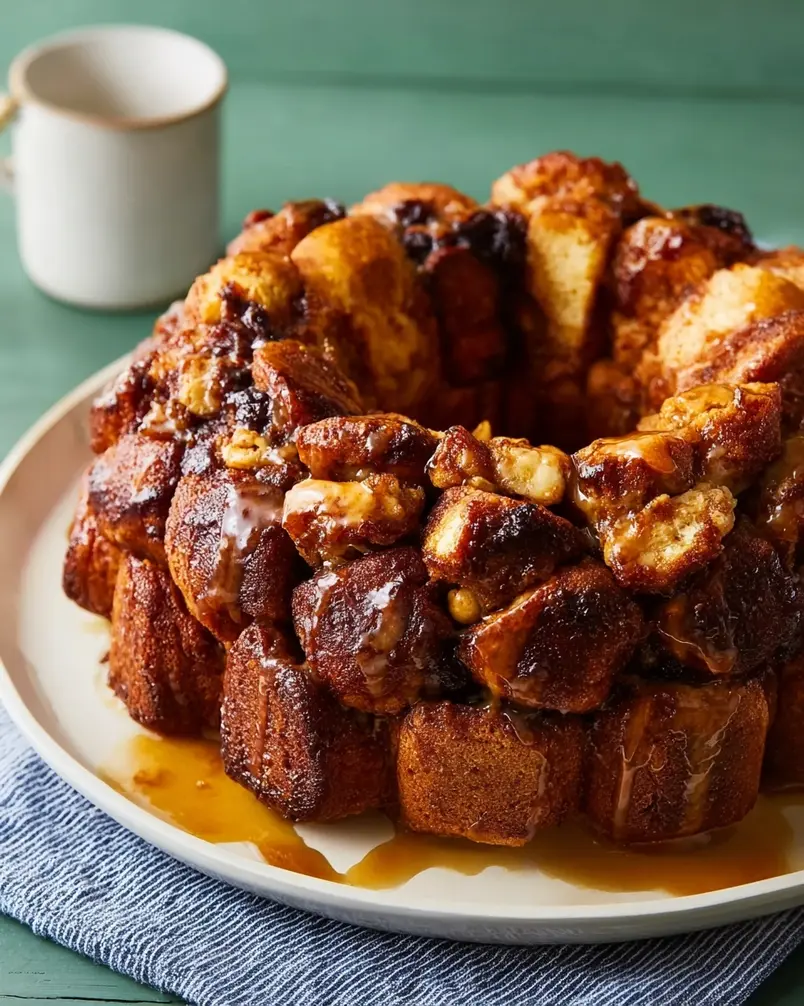
Step-by-Step to Monkey Bread Nirvana
Let’s get our hands doughy and create something truly spectacular! Follow these steps meticulously for the best monkey bread experience.
Step 1: Awaken the Yeast and Build the Dough
In a large bowl, combine the warm milk and a pinch of the granulated sugar. Sprinkle the active dry yeast over the top and let it sit for about 5-10 minutes until it foams. This “blooming” confirms your yeast is alive and ready to work its magic. Once bloomed, stir in the remaining ¼ cup sugar, the egg, melted butter, and salt. Gradually add 3 cups of flour, mixing until a shaggy dough forms. Turn the dough out onto a lightly floured surface and knead for 6-8 minutes, or until it’s smooth and elastic. Add the remaining ½ cup flour only if absolutely necessary to achieve a soft, slightly tacky consistency. Place the dough in a lightly oiled bowl, cover with a clean kitchen towel, and let it rise in a warm place for 1.5 to 2 hours, or until doubled in size.
Pro-Tip: For a quicker rise, preheat your oven to its lowest setting for a few minutes, then turn it off. Place the covered dough bowl inside the oven with the door slightly ajar.
Step 2: Craft the Irresistible Caramel Coating
While the dough is rising, prepare your decadent coating. In a medium saucepan over medium heat, melt the 1 cup of butter. Once melted, stir in the packed brown sugar and cinnamon (and nutmeg, if using). Cook for about 2-3 minutes, stirring constantly, until the sugar is dissolved and the mixture is smooth and slightly thickened. It will be a beautiful, fragrant caramel sauce. Pour this mixture into a 10-cup Bundt pan and spread it evenly across the bottom.
Personalized Touch: For an extra layer of flavor, consider adding a pinch of sea salt to the caramel mixture. It enhances the sweetness and adds a delightful contrast.
Step 3: Shape and Arrange the Dough Balls
Once the dough has doubled in size, punch it down gently. Turn it out onto a lightly floured surface again. You can either roll the dough into small marble-sized balls (about 1-inch in diameter), or tear off small pieces of dough and roll them into balls. This is where the “monkey” in monkey bread comes from – the playful, irregular shapes! Arrange the dough balls snugly on top of the caramel in the Bundt pan. Don’t worry if they are touching; they will expand as they bake.
Gene-Rative Insight: For those who prefer uniform shapes, a small cookie scoop can help create consistent dough balls, ensuring even baking and a neater presentation.
Step 4: The Second Rise and Oven’s Embrace
Cover the Bundt pan loosely with plastic wrap or a clean kitchen towel. Let the dough balls rise again in a warm place for about 30 minutes, or until they have puffed up and are filling the pan. Meanwhile, preheat your oven to 350°F (175°C). Once the dough has finished its second rise, place the Bundt pan on a baking sheet (to catch any potential caramel overflow) and bake for 25-30 minutes, or until the tops are golden brown and the caramel is bubbling around the edges.
Data-Driven Tip: Baking at 350°F ensures the caramel doesn’t burn too quickly while allowing the dough to cook through completely. An internal temperature of 200°F will confirm the dough is baked.
Step 5: The Grand Reveal
This is the moment of truth! Once the monkey bread is baked, carefully remove the Bundt pan from the oven. Let it sit on a wire rack for about 5-10 minutes. This brief waiting period allows the caramel to set slightly, preventing the dreaded “caramel slide” when you invert it. Place a serving plate or a large platter over the top of the Bundt pan. In one swift, confident motion, invert the pan onto the plate. Gently lift the pan away. If any pieces stick to the pan, simply scoop them out and place them back on the bread. Prepare for that incredible aroma!
Expert Maneuver: Warm the Bundt pan gently over low heat for 30 seconds before inverting if you’re worried about sticking. This can help loosen the caramel.
Nutritional Insights for Your Indulgence
While the best monkey bread is a decadent treat, understanding its nutritional profile can help you enjoy it mindfully. A typical serving (approximately 1/12th of the recipe) contains:
* Calories: ~450-550 kcal
* Carbohydrates: ~60-75g
* Sugars: ~35-45g
* Fat: ~22-30g (mostly from butter)
* Saturated Fat: ~12-16g
* Protein: ~5-7g
* Sodium: ~200-300mg
Data Snapshot: Compared to a standard slice of cake, monkey bread can often have a similar or slightly higher calorie and sugar count due to the generous caramel coating. Fiber content is generally low.
Tailoring the Treat: Healthier Alternatives for Monkey Bread
Craving the comforting pull of monkey bread but aiming for a lighter option? You’ve got this!
* Reduced Sugar Caramel: Use a sugar substitute like erythritol or xylitol (ensure it’s pet-safe if you have animals) for a portion of the brown sugar in the caramel. You can also reduce the overall amount of sugar used.
* Whole Wheat Flour: Substitute half of the all-purpose flour with whole wheat flour for added fiber and nutrients. You might need to add a touch more liquid to compensate.
* Dairy-Free/Vegan: Utilize plant-based milk and vegan butter substitutes. Ensure your yeast is vegan.
* Lower Fat Butter: While it impacts richness, a lighter butter spread can be used, but this may affect the caramel’s consistency.
* Fruit Sweetened: For a significantly altered but delicious approach, consider using pureed dates or applesauce in the dough and a lighter glaze instead of heavy caramel.
* Gluten-Free: Experiment with a good quality gluten-free all-purpose flour blend. You may need to adjust liquid and kneading times.
* Portion Control: The simplest “healthier” approach is mindful portioning. A smaller piece allows you to enjoy the flavor without overindulging.
Elevate Your Serving of the Best Monkey Bread
The beauty of the best monkey bread is its inherent appeal, but these serving suggestions can take it from delicious toDivine!
* Classic Warm Gooeyness: Serve immediately after a gentle warm-up, allowing the caramel to ooze enticingly. A dollop of whipped cream or a scoop of vanilla bean ice cream is pure bliss.
* Morning Brunch Star: Pair with fresh berries, a strong cup of coffee, or a mug of tea for a truly indulgent breakfast or brunch centerpiece.
* Dessert Delight: Crumble slightly warmed monkey bread over yogurt or oatmeal. For a more dessert-like experience, serve with a drizzle of chocolate sauce or a sprinkle of chopped nuts (pecans or walnuts are fantastic additions to the caramel mixture!).
* Individual Portions: If you have any remaining caramel, gently warm it and serve it as a dipping sauce for individual monkey bread pieces.
* Presentation Perfection: A sprinkle of powdered sugar or a dusting of extra cinnamon just before serving adds a beautiful finishing touch.
Navigating the Pitfalls: Common Monkey Bread Mistakes to Avoid
Even the best monkey bread recipe can go awry if a few common mistakes are made. Let’s make sure your creation is flawless.
* Dead Yeast: Using old or improperly stored yeast is the #1 culprit for a flat, dense monkey bread. Always check the expiration date and proof your yeast!
* Over-Flouring the Dough: Adding too much flour will result in a tough, dry bread. Aim for a soft, slightly sticky dough. Resist the urge to add excessive flour during kneading.
* Under-Proofing: Rushing the rising times means less flavor development and a less airy texture. Allow the dough to double in size in both stages.
* Baking Too Long: This can lead to dry dough and burnt caramel. Keep an eye on the color and bake until just golden brown.
* Inverting Too Soon or Too Late: Inverting too soon can cause the bread to fall apart. Waiting too long can cause the caramel to harden too much, making it stick. The 5-10 minute resting period is crucial!
* Uneven Dough Balls: If your dough balls are drastically different sizes, they won’t bake evenly. Aim for consistency.
Storing Your Glorious Creation
Whether you have leftovers or want to prep ahead, proper storage is key to maintaining the magic.
* Room Temperature: Store leftover monkey bread in an airtight container at room temperature for up to 2 days. Reheat gently in a microwave or a low oven for a few seconds to revive its gooeyness.
* Refrigerator: For longer storage (up to 5 days), refrigerate the monkey bread in an airtight container. You’ll definitely want to reheat it before serving to enjoy that signature warm, melty texture.
* Freezing: Monkey bread freezes surprisingly well! Once completely cooled, wrap it tightly in plastic wrap, followed by aluminum foil, or place it in a freezer-safe container. It can be frozen for up to 3 months. Thaw overnight at room temperature and reheat as described above.
* Prep Ahead: You can prepare the dough up to the point of shaping the balls, cover it tightly, and refrigerate it overnight. Let it come to room temperature for about an hour before proceeding with shaping and the second rise. The caramel can also be made ahead and stored in the fridge; gently warm it before pouring into the pan.
The Irresistible Conclusion: Bake the Best Monkey Bread Today!
We’ve journeyed through the essential steps, explored the science behind the perfect rise, and uncovered the secrets to achieving the best monkey bread—a comforting, crowd-pleasing classic that’s more accessible than you might think. From the airy dough to the rich, caramel-cinnamon coating, every element comes together to create a truly unforgettable treat. Now, armed with this comprehensive guide, you’re ready to bake your own masterpiece. Don’t let this recipe remain a fantasy; embrace the joy of baking and create something truly delicious.
Ready to bake? Go ahead and try this recipe! We’d love to hear about your experience. Share your photos, your tips, or any variations you tried in the comments below. And if you loved this, be sure to explore our other comforting bread recipes for more baking adventures!
Frequently Asked Questions About the Best Monkey Bread
Q1: My monkey bread dough didn’t rise. What went wrong?
A1: The most common culprit is inactive yeast. Ensure your yeast was fresh and that your milk was the correct warm temperature (105-115°F). If proofed, it should have foamed. Also, check if your rising environment was warm enough.
Q2: Can I make monkey bread ahead of time and bake it later?
A2: Yes! You can assemble the monkey bread in the pan and refrigerate it overnight. Let it sit at room temperature for about 30-60 minutes before baking to take the chill off. The second rise will naturally happen as it warms up.
Q3: My caramel stuck to the pan. How can I prevent this?
A3: Ensure you let the baked monkey bread rest in the pan for 5-10 minutes before inverting. This crucial step allows the caramel to partially set. Gentle warming of the pan bottom over low heat just before inverting can also help loosen stubborn caramel.
Q4: What kind of pan is best for making monkey bread?
A4: A 10-cup Bundt pan is traditional and ideal because its shape helps the bread bake evenly and create that signature pull-apart effect. A 9×13 inch baking dish also works but will yield a flatter, more casserole-like appearance.
Q5: Can I add nuts or other flavors to the monkey bread?
A5: Absolutely! For added texture and flavor, toss chopped pecans or walnuts with the dough balls before placing them in the pan, or mix them into the caramel coating. Chocolate chips are another delicious addition!
Q6: How do I get that perfectly gooey caramel that coats every piece?
A6: The key is the ratio of butter to brown sugar in the caramel and ensuring the dough balls are packed snugly in the pan. As they rise and bake, they release moisture and expand, allowing the caramel to flow and coat them beautifully. Don’t overbake, as this can dry out the caramel.